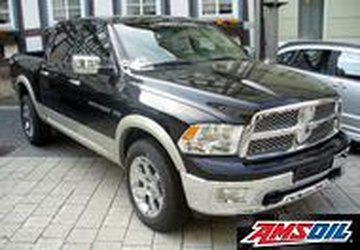
Engine Lubrication Maintenance for the 1981 Dodge Trucks W250 5.2L
Maintaining a vehicle of this era requires a focus on consistent monitoring and proactive inspection. For owners of the 1981 Dodge Trucks W250 equipped with the 5.2L engine, understanding the fundamentals of lubrication and general engine health is essential for long-term operation. Because older mechanical systems can react differently to environmental factors and usage patterns than modern vehicles, a disciplined approach to service helps ensure that components remain in their intended operating condition.
Monitoring Fluid Integrity and Condition
One of the most effective ways to monitor the health of the 5.2L engine is through regular observation of the lubricant itself. The appearance and consistency of the oil can provide significant clues regarding the internal state of the engine. When performing routine checks, it is useful to look for several specific indicators:
- Color and Clarity: While oil naturally darkens as it accumulates contaminants during use, an extremely rapid change in color or a milky appearance may warrant further investigation.
- Contamination: The presence of particulate matter or unusual textures within the lubricant can indicate that the filtration process is being challenged or that internal components are shedding material.
- Odor: Unusual smells associated with the oil can sometimes be linked to external factors, such as the lubricant contacting hot exterior surfaces.
If any significant changes in the lubricant's appearance are noted, it is advisable to investigate the cause rather than simply performing a standard service. Such observations should be treated as starting points for a more thorough mechanical inspection.
Observing Potential Warning Signs
A proactive owner looks beyond scheduled maintenance to identify subtle shifts in how the vehicle operates. For the 1981 Dodge Trucks W250, certain symptoms can serve as early indicators that an engine requires attention. It is important to remember that many symptoms are not definitive diagnoses and can be associated with multiple different underlying causes.
For instance, if you notice a change in how the engine sounds during operation, such as new or unusual mechanical noises, this should be investigated promptly. Similarly, any visible signs of fluid seepage around the engine block or near sealing surfaces should be monitored. While small amounts of seepage are common in older engines, an increase in the volume of fluid escaping from gaskets or seals may indicate that a component is nearing the end of its service life.
Additionally, keep a close eye on any changes in exhaust characteristics. If you observe unusual smoke patterns, this can be a sign of various internal or external issues and warrants a professional assessment to determine the exact source. Always treat new or changing symptoms as an invitation to perform a more detailed inspection of the engine compartment.
Systematic Inspection of Engine Compartment Components
Beyond the oil itself, a comprehensive maintenance approach for this 5.2L application includes inspecting the various auxiliary components that support engine operation. A visual survey during every service interval can help identify issues before they lead to more significant complications.
If equipped, inspect all accessible drive belts for signs of deterioration such as cracking, glazing, or fraying. These components are subject to heat and mechanical stress, and their condition is vital for the operation of engine-driven accessories. Similarly, if the vehicle is equipped with various hoses, check them for softness, bulging, or evidence of leaks at the connection points.
Electrical integrity is another important factor. Inspecting wiring harnesses and electrical connectors for signs of corrosion, fraying, or loose connections can prevent intermittent operational issues. Furthermore, ensuring that the air filtration system is clean and free of debris is a fundamental step in protecting the internal components from unnecessary ingestion of contaminants.
Prioritizing Maintenance Based on Current Condition
For an older vehicle like the 1981 Dodge Trucks W250, maintenance priorities should be driven by the actual condition of the machine rather than just chronological age. While following a general service schedule is important, an owner's focus may need to shift depending on how the vehicle has been used and maintained in the past.
If you are taking over ownership of a vehicle with an incomplete service history, your first priority should be establishing a maintenance baseline. This involves performing a thorough inspection of all fluids, filters, and major mechanical components to understand the current state of the engine. Once this baseline is established, you can better distinguish between routine preventive maintenance and repairs that are necessary due to active wear or leakage.
Keeping detailed records of every oil change, filter replacement, and mechanical repair is one of the most valuable tools for long-term ownership. These records allow you to track patterns—such as how quickly a specific fluid is consumed or how often a certain component requires attention—which enables more informed decision-making regarding future service needs.
Managing Aging Seals and Gaskets
As engines age, the materials used in gaskets and seals can undergo changes due to prolonged exposure to heat and chemical additives. In the 5.2L engine, it is prudent to periodically inspect various sealing surfaces for signs of seepage or leakage. Rather than assuming a specific seal has failed, look for evidence of fluid migration that might suggest a gasket is no longer providing an optimal seal.
Some owners choose to utilize high-mileage oil formulations in aging engines. These products sometimes contain seal-conditioning additives designed to help maintain the flexibility of certain components. While these can be a part of a maintenance strategy, they are not a substitute for addressing active, heavy leaks through mechanical repair. Monitoring the rate of fluid loss is the most reliable way to determine if your lubrication strategy needs adjustment.
Practical Guidance for Buying Engine Oil for the 1981 Dodge Trucks W250 5.2L
When it is time to replenish the engine lubricant, the most critical step is ensuring that the product you select matches the specific requirements of your application. To ensure proper protection and performance, match the engine oil to the application-specific viscosity information already displayed on this webpage.
Before completing your purchase, always verify the product labeling to confirm it meets the necessary quality standards for your needs. Depending on your specific operating environment and the current condition of your engine, you may choose between conventional, synthetic blend, or full synthetic formulations. For engines with higher mileage, you might also consider high-mileage formulations that include specialized additives. Regardless of the type you select, always prioritize the viscosity grade and service specifications provided in the application data above to ensure compatibility with your 1981 Dodge Trucks W250 5.2L.